Showing posts with label food profiles. Show all posts

Sunday, February 17, 2013

Quinoa

If you are on a gluten free diet, or are vegetarian or vegan, then you've probably at least heard of quinoa and may have incorporated it into your diet.  For many though this tiny South American seed, which is used as a grain, is still somewhat of a mystery.  There is no argument though that quinoa is a superfood and the health benefits of consuming it are vast.


2013 has been declared by the Food and Agriculture Office of the United Nations to be International Year of Quinoa. This was originally proposed by the Bolivian Government and aims to recognise the indigenous Andean peoples who regard quinoa as the Mother of all Grains.  You can find more information at the website here:  Food and Agriculture Office of the United Nations.  There is even a Facebook page if you are so inclined:  2013 International Year of Quinoa on Facebook.

Rice with Quinoa, Tomato and Cumin

Quinoa is an exciting food because it's one that most of us didn't grow up eating.  We can certainly use it as a substitute for other grains, but it's also very important to see it as a brand new food and come up with new and adventurous ways to prepare it.  When you consider that one cup of cooked quinoa provides us with eight grams of protein and over five grams of fibre you can start to see the potential of including it in our diets.  Below is a list of reasons why we should all eat quinoa, and especially if we are vegetarian, vegan, dairy-free or gluten-free. 


Why should you eat quinoa?
  • is high in protein and is considered a complete protein source
  • contains anti-inflammatory phytonutrients
  • is nutrient rich with significant levels of magnesium, folate, iron, vitamin B6, zinc, potassium, manganese, selenium and phosphorus
  • contains heart healthy fats
  • is high in calcium with twice the amount as found in whole wheat
  • provides high levels of antioxidants
  • is low GI
  • is high in fibre
  • some research shows a potential to lower cholesterol and prevent diabetes
  • early research also indicates there is potential for protection against many other diseases
Quinoa Salad with Avocado and Artichoke

What to do with quinoa:

Quinoa is actually very simple to prepare.  Simple put one part quinoa to two parts water in a small saucepan.  Bring to the boil and then reduce the heat to very low.  Cover and allow to cook for about 12 - 14 minutes, it does vary slightly depending on the cooktop.  By this time the water should have been absorbed and the grains will be tender.  They will swell to almost three times their original size and look like the ones in the photo below.


If the water isn't all absorbed but the grain is cooked then just remove the lid and cook for another minute or so until the liquid is gone.  If the grain isn't cooked then cook another few minutes with the lid on. It can take a little bit of trial and error to get the water to quinoa ratio correct but once you do then it will be the same every time.  Some instructions for quinoa say one part quinoa to two parts water but I always find that to be too much.  1 : 1.5 seems to work for me.

Quinoa also can have a slightly bitter flavour which is due to the saponins it contains.  Most commercially produced quinoa has been washed to have these removed but I generally rinse the quinoa before cooking and so some water will be left on the grain.  This is why I think the 1:1.5 ratio works.

If you know you are going to use the quinoa for a savoury dish they you can also cook it in stock or add a little salt to the cooking water.  I have recently got into the habit of having cooked quinoa ready in the fridge which makes it easy to add to other recipes or to whip up a quick salad for lunch.

Quinoa, Raspberry and Dark Chocolate Slice

Some ideas for using quinoa:

  • When you cook white or basmati rice using the absorption method, replace 1/3 of the rice with quinoa and cook in the same way.  This adds extra protein, nutrients and fibre to the meal.  You can also add spices or turmeric to give extra flavour.
  •  Make a quinoa salad by mixing some chopped raw vegies or sauteed vegies through and then adding a dressing of your choice.
  • Add a scoop of quinoa to soups to add nutrients, protein and fibre.
  • Serve warm quinoa with maple syrup and berries and a healthy and yummy breakfast idea.
  • Add quinoa flour to baking.  I use a gluten free four mix that is 1/3 quinoa flour, 1/3 sweet sorghum flour and 1/3 tapioca flour which I find works well.
  • Use quinoa flakes as a breakfast porridge or use in place of oats in baking.
  • Add a scoop of quinoa to frittatas
  • Quinoa can also be sprouted and used in salads.

Quinoa Salad with Nuts and Herbs


Recipes on Taobelly Using Quinoa

Dad's Super Gluten Free Pancakes
Green Vegetable Soup with Quinoa
Quinoa and Artichoke Salad
Quinoa and Vegetable Frittata
Quinoa, Raspberry and Dark Chocolate Slice
Rice with Quinoa and Turmeric 
Rice with Quinoa, Spinach and Capers
Rice with Quinoa, Tomato and Cumin
Roast Potato, Vegetable and Quinoa Frittata 


Monday, November 12, 2012

Gluten Free Pasta

Pasta is a quick and delicious meal option but if you are gluten free then obviously regular wheat pasta is off limits.  There are now many different brands of gluten free pasta available and supermarkets usually carry several options.  I've found it can be a bit hit or miss with not all of them performing like regular pasta at all.


Gluten free pastas are often made from rice or corn, or a combination of both.  I find that the pastas that are only rice and/or corn can be acceptable but generally don't live up to expectations.  Orgran pastas are one example of this although their vegetable rice spirals are one of my girls' favourites.  The Deli free brand is made in Italy (always a good sign) and is a little better.  San Remo have a wide range including spaghetti, fettuccini, penne, lasagne sheets and cannelloni.  Their pasta also includes potato starch and soya flour and it holds up fairly well although I don't love the flavour.  The lasagne sheets work very well though.


My favourite is the Schar brand, also made in Italy and the only pasta that I feel really performs the way wheat pasta does.  It actually swells.  Many of the other gluten free pastas don't swell as much and so you need to use more than if you were using wheat pasta.  The Schar pasta includes pea protein isolate in the ingredients which makes the end product higher in protein.


Generally it comes down to a bit of trial and error and is really up to personal preference.  However, I eat more pasta now than I ever did before I was gluten free and it can definitely be substituted for wheat pasta in recipes without much trouble.  The up side of gluten free pasta is that you don't have that heavy, overly full feeling you do when eating a bowl of wheat pasta.  The down side....it's usually very expensive!

Vegetarian Lasagne


Recipes Using Gluten Free Pasta:

Cart-Driver Spaghetti
Lemony Pasta with Vegetables
Penne with Tomato and Basil
Spaghetti with Broccoli and Anchovies
Super Fast Pasta Dinner
Vegetarian Minestrone Style Soup

Monday, May 28, 2012

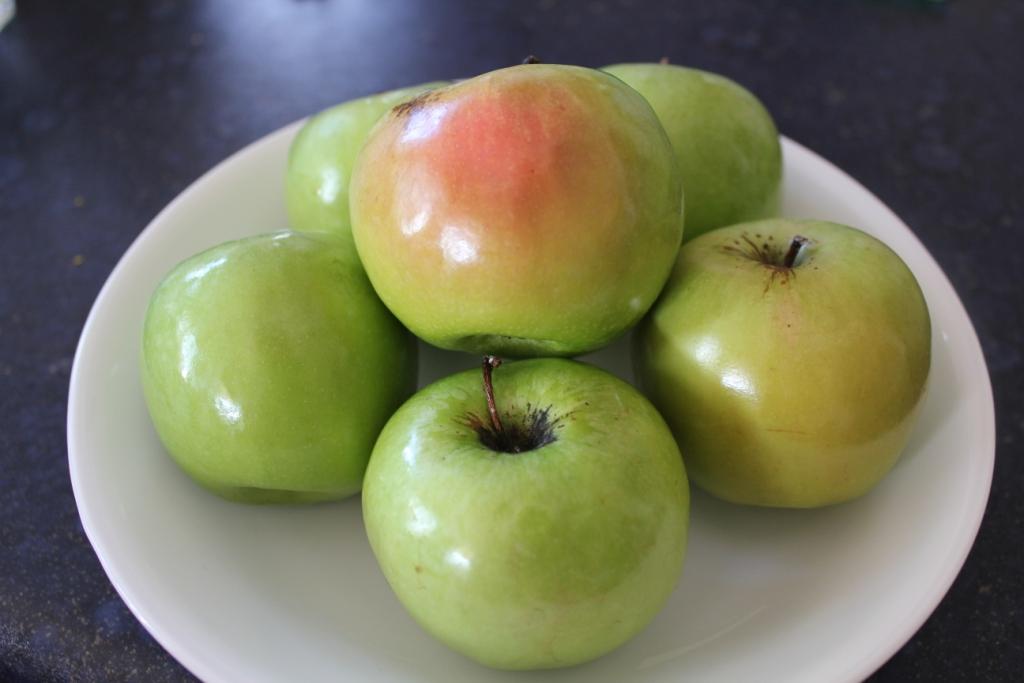
Apples

We all know the old saying 'an apple a day keeps the doctor away' and seeing apples are in season right now I thought I'd take a closer look at this amazing fruit.


First here is a list of some of the nutritional properties of apples
  • low in calories and contain no saturated fat or cholesterol
  • contain good qantities of vitamin C and beta carotene
  • high in fibre and contain both soluble and insoluble fibre
  • contain high levels of infection fighting antioxidants and flavaonoids
  • significant levels of B vitamins including B6
  • small amounts of minerals such as potassium, phosphorus and calcium

Some of the amazing health benefits of eating apples are:
  • Apples have been show to assist with weight management.  One reason for this is that eating an apple gives a sense of fullness that means we don't go hunting for more food.
  • Apples have been shown to lower the risk of heart disease and stroke.
  • They can assist in lowering cholesterol.
  • Research has shown they are helpful for bone protection due to the flavanoid phloridzin being present.
  • The quercetin, found in the apple skin, has been shown to lower the risk of Alzheimer's disease.
  • Research has also shown that apples are useful for asthma prevention.
  • Antioxidants in apples are linked to cancer prevention and research has shown that consumption of apples can reduce the risks of developing a wide range of cancers including lung, breast and bowel.
  • Apples can help to regulate blood sugar and are very helpful for diabetes management.
  • Antioxidants help fight free radicals in the body.

When eating apples it is best to eat the skin because it contains the most nutrients.  Apples are the perfect food for on the go and are great for school lunchboxes as well.  Although eating the whole fruit provides the highest nutritional value, there are studies that show consuming apple juice also has significant health benefits.

Ayurvedic medicine encourages certain dosha types to eat fruit cooked.  In winter there is nothing better than eating still warm stewed apples sprinkled with cinnamon and sugar.  I've found when stewing apples that a combination of red and green give the perfect taste. I simply stew the apples in water and don't need to add any sugar for them to be sweet enough.


Apples are also very important in myth and folklore.  In Greek Mythology there are many tales of Golden Apples involving Heracles, Atalanta and Paris.  In the Celtic legends apples are linked to Arthur and Avalon.  The Bible story of Adam and Eve portrays the apple as the forbidden fruit.  In Norse myth they are the fruit of immortality.  The most famous fairy tale involving apples is Snow White where she is given a poison apple which puts her to sleep until the apple later falls out of her mouth, or the prince arrives to kiss her, depending on which version of the story you read.  Apples are seen by some as a magical fruit and one reason for this is that when cut in half the core forms the shape of a pentagram or five pointed star.


Thursday, May 3, 2012

Lentils

Lentils are a type of legume along with other beans, but are relatively quick to prepare in comparison.  Evidence suggests that they have been consumed since pre-historic times and they are still used extensively throughout Asia, India and Europe.

Lentils are very nutritious and have a wide range of health benefits as follows:

  • Lentils are very high in fibre which can help prevent bowel disease and bowel cancer.
  • Research has shown that lentils are linked to reduced risk of heart disease.
  • Lentils provide slow-burning energy and can help stabilise blood sugar.
  • They provide high levels of iron and so are excellent for anyone who doesn't eat much meat.  Eating lentils with foods that contain high levels of vitamin C will help iron absorption.
  • Lentils contain very high levels of folate.
  • They are protein rich and when combined with grains such as rice, can provide the body with a complete protein.
Unlike other dried beans, lentils do not require soaking overnight before preparation.  As well as the multitude of health benefits, lentils are also very inexpensive.

There are many, many different varieties of lentils but they all have similar nutritional profiles.  A few common types are:

Mung Dal, unhulled

Du Puy Lentils or French Lentils

Red Split Lentils or Masoor Dal
Green Lentils


Recipes using Lentils:

Green Dahl
Mulligatawny Soup
Pumpkin Dahl
Puy Lentils with Rosemary

Wednesday, April 18, 2012

Cumin

Cumin is one of the spices I use most in my cooking and I absolutely love the flavour it adds to recipes.  It has been used in traditional cuisines in the Mediterranean, Asia, China, India and the Middle East.

Cumin Seeds

This humble spice has a long list of health giving properties as follows:
  • very high in iron
  • contains vitamin C, vitamin A and essential oils
  • contains B vitamins and Vitamin E
  • high in dietary fibre
  • anti-microbial and anti-fungal
  • contains potassium, calcium, manganese, selenium and copper
  • disinfectant properties
  • contains flavanoids
Cumin Plant

Traditionally this spice has been used for the following:
  • aids digestive health
  • assists liver detox
  • natural laxative, can help with constipation
  • enhances immunity
  • improves respiratory health
  • decongestive
  • can treat flatulence
  • can assist in ridding the body of intestinal worms
  • can fight cancer
  • improves memory
  • treats insomnia
  • can be used to ward off a cold
  • stimulates metabolism, increases heat in the body
  • aids with nutrient assimilation
  • can be used to treat anaemia
  • helpful for skin disorders
  • can be used to treat boils
  • stimulates menstural cycle
  • assists hair and nail health

Ground or powdered cumin

Be sure to choose quality when purchasing cumin.  Ideally, invest in a spice grinder and buy the seeds, as powdered cumin doesn't have a very long shelf life.  I admit this is advice I have yet to take myself.  If you do buy powdered cumin be sure to store it in a cool, dark place.

Recipes using Cumin:

Green Dahl
Indian Spiced Green Vegetables  
Indian Style Spiced Cabbage
Lamb Saag
Moroccan Chickpea and Lentil Soup - coming soon
Mulligatawny Soup
North Indian Chicken Curry
Okra with Shallots
Pumpkin Roasted with Cumin and Sesame Seeds
Quick and Easy Vegetable Pilaf
Rice with Quinoa, Tomato and Cumin
Spiced Almonds
Spiced Cabbage
Tomato and Chickpea Salad

Saturday, April 14, 2012

Tomatoes

Tomatoes are definitely a super-food and an ingredient I use very often in my cooking.  Ironically I went years without eating tomatoes but now I can't imagine life without them.


Tomatoes come in many varieties including the standard round red tomato we see most often in shops, roma red, red cherry tomatoes, yellow and orange cherry tomatoes, heirloom tomatoes which can come in colours ranging from green through to red, and many others.

The tomato really is a nutrient powerhouse.  Actually a fruit, but used more often as a vegetable, the tomato belongs to the nightshade family and is native to Central America.


So, here is a rundown on the health properties of this humble fruit:

  • low calorie
  • low fat
  • zero cholesterol
  • high in antioxidants
  • high in dietary fibre
  • considered an anti-cancer food, especially for prostate, breast, colon and skin cancers
  • contain the flavanoid lycopene which helps protect cells and prevent cancers.  This flavanoid is found in highest concentration in the red varieties and is more available to the body when the tomatoes are cooked.
  • high in vitamin A
  • have been show to assist eye health
  • high in vitamin C which can provide protection against infection
  • high in potassium
  • low in sodium
  • moderate levels of B vitamins
  • eating tomatoes can help prevent heart disease
So, with all these benefits to our health, it makes sense to use tomatoes in our cooking.  Choose either good quality fresh tomatoes or canned tomatoes.  Because lycopene is more readily absorbed from cooked tomatoes, using the canned variety doesn't mean a lesser benefit.  Where possible, and when budget allows, choose organic in both fresh and tinned.


Tomatoes are also relatively easy to grow.  I'm no green thumb but my husband usually has a couple of tomato plants on the go.


Recipes using Tomatoes:

Cart-Driver Spaghetti
Egg Tomato
Gluten Free Kid's Pizzas
Kids Cooking - Tostadas
Mediterranean-Style Chicken Soup
Moroccan Chickpea and Lentil Soup - coming soon
North Indian Chicken Curry 
Penne with Tomato and Basil
Rice with Quinoa, Tomato and Cumin
Tomato and Chickpea Salad
Vegetarian Minestrone Style Soup

Sunday, March 18, 2012

Curry Leaves

Curry Leaves are used extensively in Southern India and Sri Lanka to flavour many dishes, especially vegetarian dishes.


Curry leaves can be dried but they are best used fresh as they lose most of their aroma once dried.  It is very easy to grow a curry leaf plant in your back garden.  Curry leaf plants are so easy to grow that they are best to keep it in a pot so they doesn't take over your garden.


As well as having a delicious and distinctive flavour, they also have some very positive nutritional benefits. Curry leaves contain 2.5% oil and 6% protein.  They are very high in antioxidants, plant sterols, amino acids and flavanoids.  They contain iron, fibre, calcium and vitamins A and B.

Curry leaves can be eaten raw to assist with diarrhoea, nausea and gastric bugs.  They are also very helpful in treating constipation.  There is some evidence to suggest they may be helpful for those with stomach or digestion problems in general.

Curry leaves are also known to have strong anti-inflammatory properties.  There has also been some research showing positive results for the potential of curry leaves or curry leaf extract to be of benefit to diabetes and cancer patients.

Recipes using curry leaves:

Indian Spiced Green Vegetables
Indian Style Spiced Cabbage
Green Dahl

Wednesday, February 29, 2012

Lemons

Lemons are one of nature's superfoods and an ingredient I use in quite a lot of my cooking.


There are so many reasons to incorporate lemons into your cooking and your life.  Here are some of them:

  • Lemons are high in vitamin C
  • Lemons are alkalising in the body
  • Lemons kindle the appetite
  • Lemons can reduce tension
  • Lemons stimulate digestion and aid elimination
  • Lemons are a powerful antioxidant
  • Lemons can help fight infections
  • Lemons are anti-carcinogenic
  • Lemons can cause skin to be clearer
  • Lemons kill bacteria
  • Lemons are said to help cleanse the liver
  • Lemons can be used topically for insect bites and stings
  • Lemons can be used to clean your house
In ayurvedic medicine it is recommended to have lemon juice in a glass of warm water each morning to stimulate digestion.  Lemons are also seen to be vata balancing.  

In Traditional Chinese Medicine (TCM) lemons are considered sour and cooling for the body.

Recipes using lemons:

Chicken Karhai with Mint
Lemony Pasta with Vegetables
Lemon Sago Pudding
Rocket, Mint and Cucumber Salad
Tomato and Chickpea Salad

Saturday, February 11, 2012

Peaches

It's coming to the end of the peach season and we have been fortunate enough to be getting some absolutely delicious peaches from our local fruit shop.  The peach is one of my favourite fruits and although there are many ways you can cook with them or add them to salads they never seem to last long enough around our house.


  • Peaches are high in vitamin C, vitamin A and fibre.
  • A large peach contains 10% of an adults daily potassium requirements.
  • They also contain iron so are a great fruit for vegetarians and vegans.
  • As with most fruits, peaches are high in antioxidants and do a good job of destroying free radicals in the body and preventing disease.


Peaches are native to China and in Traditional Chinese Medicine (TCM) they are considered a warming food.  In Ayurvedic medicine peaches are recommended for vata types and are seen as slightly warming and an aid to digestion.